Last Updated on January 27, 2026 by Brian Kachejian

The World Matzoh Ball Eating Championship emerged in the mid-1990s and quickly became one of the most distinctive events in competitive eating. First gaining prominence around 1996, the contest was rooted in Jewish deli culture and built around a food that is rarely associated with speed or excess. Unlike desserts or soft foods designed for rapid consumption, matzoh balls are dense, absorbent, and filling, making them uniquely difficult to eat in large quantities.
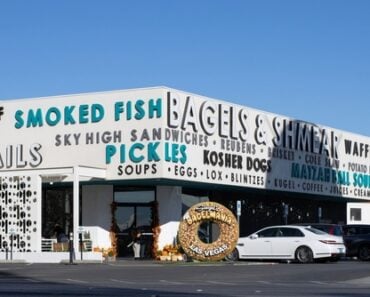
For many years, the competition was closely associated with Ben’s Deli in New York City, a landmark institution that helped define Jewish deli cuisine for generations. Hosting the contest in New York gave it cultural legitimacy and tied it directly to a city long recognized as a center of Jewish food tradition in the United States. Over time, as the competitive eating circuit expanded nationally, the event moved to different locations, including Kenny and Ziggy’s in Houston, Texas, which has become a modern home for the championship.
The contest format is straightforward and unforgiving. Competitors are given eight minutes to consume as many matzoh balls as possible. Each matzoh ball must be fully swallowed to count toward the total. No partial consumption is allowed, and the absorbent nature of the food means that liquids, while permitted, often make the challenge more difficult by increasing stomach volume.
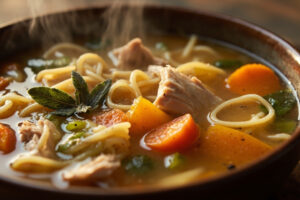
Matzoh balls are made from matzoh meal, eggs, fat, and seasoning, producing a texture that is both heavy and spongy. Once exposed to broth or liquid, they expand and become even harder to swallow. This property is what separates the contest from most other eating competitions. Speed alone is not enough. Jaw strength, swallowing technique, and tolerance for fullness all become limiting factors almost immediately.
In 2004, the legendary Eric “Badlands” Booker set the New York record by consuming 21 of these massive spheres. After Ben’s discontinued the event, the championship found new life in Houston, Texas, at Kenny & Ziggy’s New York Delicatessen in 2008. It was here that a young Joey Chestnut shattered all previous expectations. In an 8-minute competition, Chestnut defied physics by consuming a staggering 78 matzo balls, a record that remains legendary in the sport. Although the contest is not currently a televised annual staple like the Fourth of July hot dog contest, it remains a celebrated chapter in competitive eating history for turning a comforting Passover staple into a high-stakes athletic feat..
What makes the World Matzoh Ball Eating Championship culturally significant is its connection to heritage rather than spectacle alone. Matzoh balls are traditionally associated with comfort, family meals, and religious holidays. Turning them into a competitive event introduces humor and exaggeration without severing the food from its cultural roots. The contest often feels celebratory rather than confrontational, even at elite competitive levels.
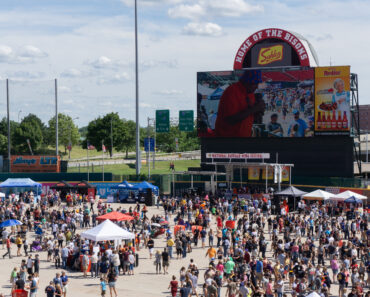
The atmosphere at the event reflects this balance. Crowds are typically engaged and enthusiastic, but the tone is lighter than at endurance-based or shock-driven eating contests. Many attendees come for the cultural experience as much as the competition itself. The event frequently coincides with festivals or community gatherings, reinforcing its role as a social occasion rather than a standalone stunt.
Another distinguishing feature of the championship is its frequent connection to charitable fundraising. Over the years, the contest has often served as a benefit to local charities, adding a philanthropic dimension uncommon in competitive eating. This aspect has helped sustain goodwill and broaden its appeal beyond hardcore fans of the sport.
From a psychological standpoint, the challenge tests persistence more than aggression. Competitors must maintain a steady pace without rushing, as choking or fatigue can end an attempt quickly. The density of the matzoh balls creates early resistance, forcing eaters to confront physical limits almost immediately. Unlike challenges that build gradually, this one starts difficult and stays that way.
The relocation of the contest from New York to Houston reflects the nationalization of competitive eating. As the sport grew, events once tied to specific regions began traveling to new markets. Kenny and Ziggy’s, known for its oversized portions and dedication to traditional deli fare, provided a natural fit. The move demonstrated that Jewish deli culture, while rooted in specific cities, has a national audience.
Media coverage of the championship often emphasizes its unusual nature. Images of towering stacks of matzoh balls and competitors struggling against their texture highlight how different the contest is from more visually chaotic events. The contrast between the simplicity of the food and the extremity of the competition adds to its appeal.
Within the broader landscape of legendary food contests, the World Matzoh Ball Eating Championship stands out for its specificity. It is not adaptable to shortcuts or gimmicks. The food itself dictates the difficulty, and no amount of technique can fully overcome its physical properties. This purity has helped the contest maintain credibility.
The longevity of the event speaks to its ability to balance tradition and competition. It has not escalated portion sizes or altered rules dramatically over time. Its identity remains tied to the food and the culture it represents. That consistency has allowed it to remain relevant as the competitive eating world has grown louder and more extreme.
As part of this series, the World Matzoh Ball Eating Championship represents a category of food contests where cultural heritage defines the challenge. It demonstrates that legendary status does not require shock value or spectacle alone. Sometimes, the most memorable contests are built around foods that resist competition entirely.
Why the World Matzoh Ball Eating Championship Defies Competitive Eating Logic article published on RockinFoodie.com© 2026
RockinFoodie.com claims ownership of all its original content and Intellectual property under United States Copyright laws and those of all other foreign countries. No one person, business, or organization is allowed to republish any of our original content anywhere on the web or in print without our permission. All photos have been professionally photographed by rockinfoodie.com staff and are copyright-protected. Photos not produced by staff are either public domain Creative Commons photos or licensed officially from Shutterstock. Any theft of our content will be met with swift legal action against the infringing websites.